Stormwater Management Funding Strategy

Stormwater management is crucial for preventing flooding and protecting property, controlling erosion, and protecting natural waterways like the Grand River. It is also a shared responsibility across all communities in the County of Brant.

The Stormwater Management Funding Strategy project focuses on one key question - It is not if we fund stormwater management, but how we fund it.

What we heard and what has changed

In 2023 and 2024, the County explored a Stormwater Utility Program as an option to fund stormwater management and many residents took the time to share feedback.

We heard that:

  • There was a need for more information and education around stormwater management
  • The funding model presented required clearer explanation and so was not well understood
  • Residents wanted to better understand impacts and how stormwater affected them

As a result, we paused to learn and better understand frustrations, improve data, and clarify information and available options.

Since that time, we have:

  • Developed enhanced education materials
  • Built a 10-year operating and capital forecast and are preparing to present equitable funding options in 2027
  • Strengthened how we will explain stormwater management systems, costs, and community impacts

We are grateful to everyone who took the time to share their feedback on the last project. It has directly shaped how we are approaching this important work going forward.

Moving forward

Our system continues to face pressure from:

  • Aging infrastructure
  • More frequent and intense storms
  • Provincial requirements for sustainable funding

It is important to remember that the stormwater management system, currently funded through property taxes, will continue to be funded. That’s the law. The question is how?

Our current funding model is no longer enough to support long-term needs and delaying action increases risk to your property, public safety, the environment, and future municipal costs. Moving forward now allows the County to plan ahead, reduce long-term costs, and build a more resilient system.

Start here

Start here to better understand how stormwater is managed in the County of Brant and why it's an important system for the entire community.

For more details about the County’s stormwater system, visit brant.ca/Stormwater.


What to expect and when

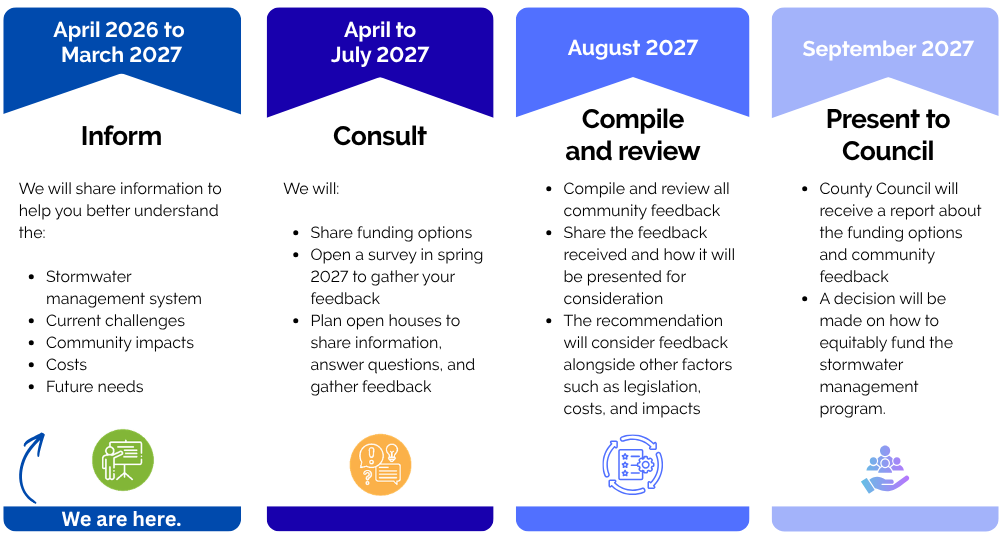
Engagement for this project will take place in phases.


Stay Informed

Subscribe for updates and be the first to get more information about this project. Simply add your email to the Stay Informed box on this page and click ‘Subscribe'.

Have questions or comments about stormwater management in the County? Let us know!

Stormwater management is crucial for preventing flooding and protecting property, controlling erosion, and protecting natural waterways like the Grand River. It is also a shared responsibility across all communities in the County of Brant.

The Stormwater Management Funding Strategy project focuses on one key question - It is not if we fund stormwater management, but how we fund it.

What we heard and what has changed

In 2023 and 2024, the County explored a Stormwater Utility Program as an option to fund stormwater management and many residents took the time to share feedback.

We heard that:

  • There was a need for more information and education around stormwater management
  • The funding model presented required clearer explanation and so was not well understood
  • Residents wanted to better understand impacts and how stormwater affected them

As a result, we paused to learn and better understand frustrations, improve data, and clarify information and available options.

Since that time, we have:

  • Developed enhanced education materials
  • Built a 10-year operating and capital forecast and are preparing to present equitable funding options in 2027
  • Strengthened how we will explain stormwater management systems, costs, and community impacts

We are grateful to everyone who took the time to share their feedback on the last project. It has directly shaped how we are approaching this important work going forward.

Moving forward

Our system continues to face pressure from:

  • Aging infrastructure
  • More frequent and intense storms
  • Provincial requirements for sustainable funding

It is important to remember that the stormwater management system, currently funded through property taxes, will continue to be funded. That’s the law. The question is how?

Our current funding model is no longer enough to support long-term needs and delaying action increases risk to your property, public safety, the environment, and future municipal costs. Moving forward now allows the County to plan ahead, reduce long-term costs, and build a more resilient system.

Start here

Start here to better understand how stormwater is managed in the County of Brant and why it's an important system for the entire community.

For more details about the County’s stormwater system, visit brant.ca/Stormwater.


What to expect and when

Engagement for this project will take place in phases.


Stay Informed

Subscribe for updates and be the first to get more information about this project. Simply add your email to the Stay Informed box on this page and click ‘Subscribe'.

Have questions or comments about stormwater management in the County? Let us know!

Stormwater at work: What stormwater funding supports.

Did you know? 

  • Stormwater ponds are infrastructure.
  • Sediment gradually reduces how much water a stormwater pond can hold.
  • Municipal drains help manage water across agricultural and rural areas.

Like any infrastructure, these systems need regular maintenance and sometimes emergency repairs. 

  Below are some examples of stormwater work happening across the County and why it matters.

Thank you for sharing your story with us.
Learn even more about how the County manages stormwater at brant.ca/Stormwater.

  • Emergency Response

    by engage.brant, 15 days ago

    Most stormwater work involves planned inspection, maintenance and repair. Sometimes, an unexpected failure or blockage requires a quick response to prevent further damage.


    Emergency Tile Drain Repair

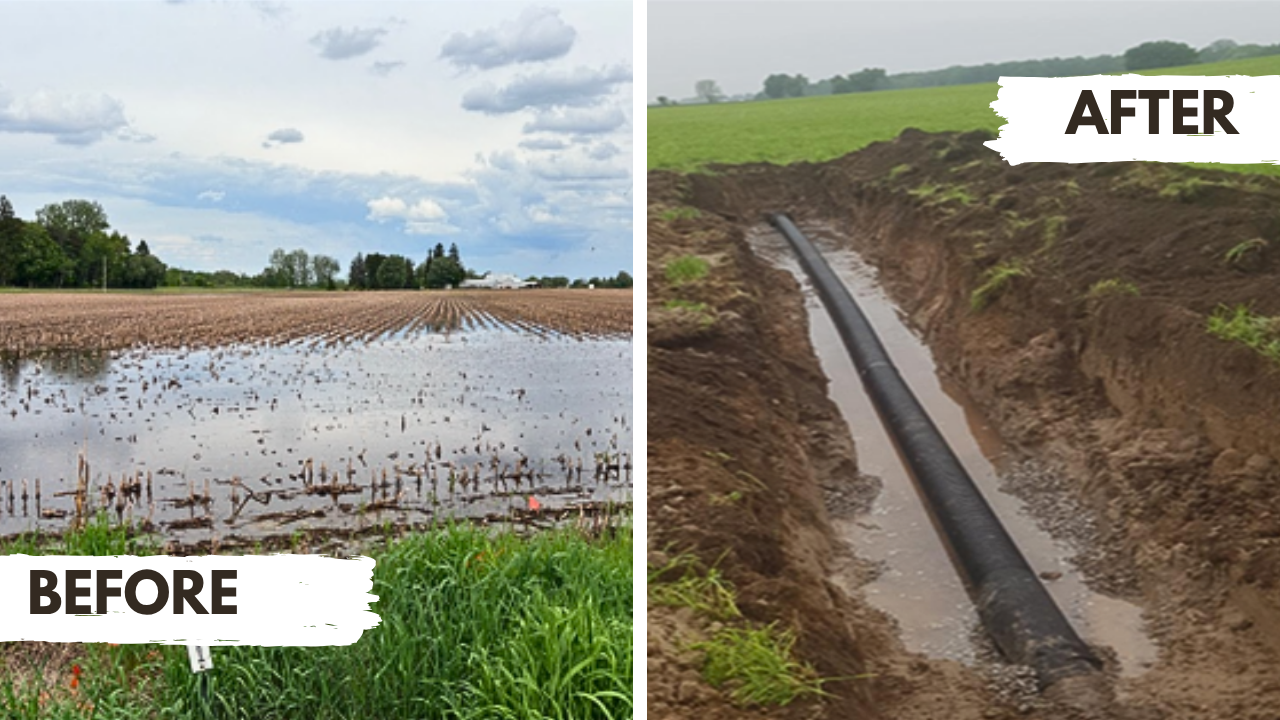
    From flooded field to working farmland

    What happened?

    A large, dense root mass completely blocked an underground tile drain on agricultural land.

    With nowhere for the water to go, the blockage caused significant upstream flooding and approximately three acres of productive agricultural field were underwater.

    What did we do?

    County crews located the underground blockage, excavated the area, removed the root mass and repaired the damaged tile drain.

    Once the blockage was removed... Continue reading

    Most stormwater work involves planned inspection, maintenance and repair. Sometimes, an unexpected failure or blockage requires a quick response to prevent further damage.


    Emergency Tile Drain Repair

    From flooded field to working farmland

    What happened?

    A large, dense root mass completely blocked an underground tile drain on agricultural land.

    With nowhere for the water to go, the blockage caused significant upstream flooding and approximately three acres of productive agricultural field were underwater.

    What did we do?

    County crews located the underground blockage, excavated the area, removed the root mass and repaired the damaged tile drain.

    Once the blockage was removed, water immediately began moving through the system again.

    What happened next?

    Within approximately 1.5 days, the entire three-acre flooded area had drained.

    Even with continued heavy rainfall, the repaired drainage system continued to function and the field was restored to crop production.

    Why does it matter?

    Drainage infrastructure can be difficult to see until something goes wrong.

    This repair shows why maintaining functioning drainage systems and having the ability to respond when problems occur is important for protecting agricultural land, surrounding properties and the local economy.

    See the repair and results

  • Municipal Drains

    by engage.brant, 15 days ago

    Municipal drains are another important part of the County's drainage system. They help move water away from properties, roads and agricultural lands.

    Sediment, vegetation, erosion and blockages can change how water moves through a drain over time. Maintenance helps restore drainage and protect the surrounding land.


    Shaver Municipal Drain, Burford

    Restoring drainage while protecting a sensitive environment

    What was happening?

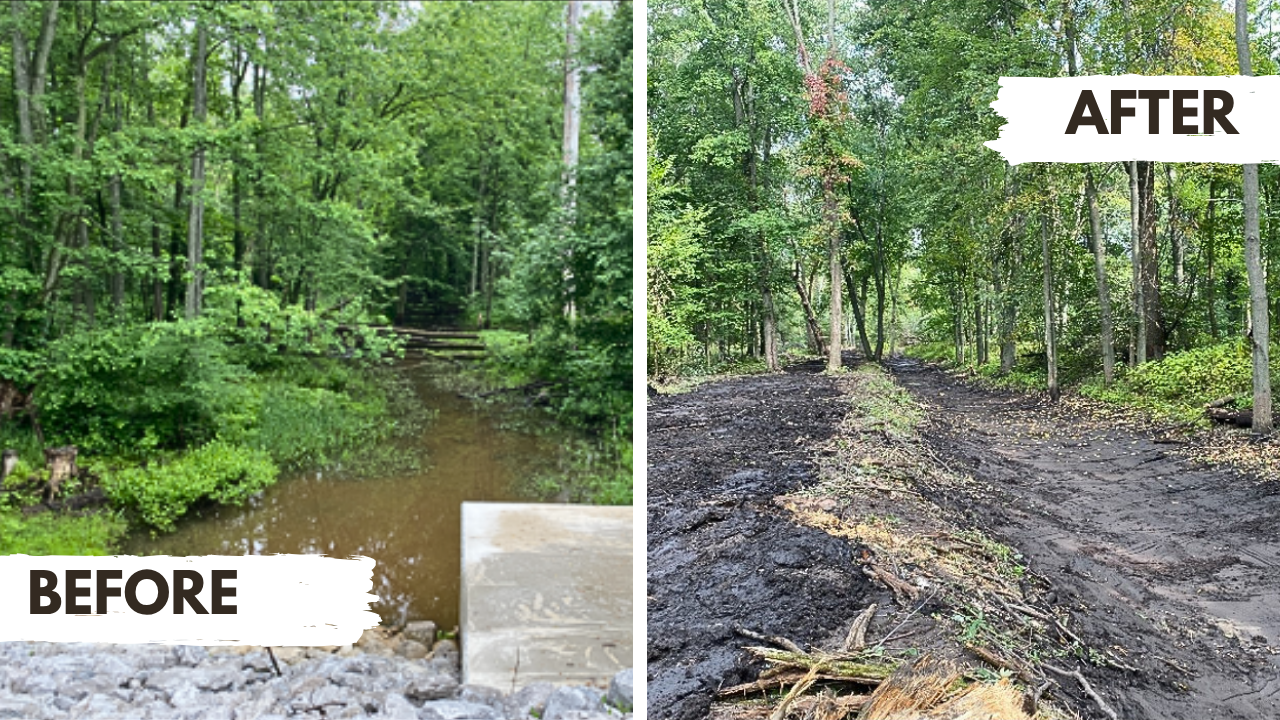
    Major blockages in the Shaver Municipal Drain were causing water to back up and flood areas throughout the drainage system. The drain was no longer operating as designed.

    Fixing the problem required particular care.

    The Shaver Municipal Drain passes through... Continue reading

    Municipal drains are another important part of the County's drainage system. They help move water away from properties, roads and agricultural lands.

    Sediment, vegetation, erosion and blockages can change how water moves through a drain over time. Maintenance helps restore drainage and protect the surrounding land.


    Shaver Municipal Drain, Burford

    Restoring drainage while protecting a sensitive environment

    What was happening?

    Major blockages in the Shaver Municipal Drain were causing water to back up and flood areas throughout the drainage system. The drain was no longer operating as designed.

    Fixing the problem required particular care.

    The Shaver Municipal Drain passes through a sensitive wetland and empties into Whiteman's Creek, a protected cold-water creek that provides habitat for local trout populations.

    What did we do?

    The County worked with the Grand River Conservation Authority and the Federal Department of Fisheries and Oceans to obtain the strict required permits and develop measures to protect the surrounding environment and local Species at Risk.

    Crews also needed a way to bring heavy equipment into the wetland without damaging the sensitive ground.

    To do this, fallen logs were carefully placed to create a temporary wooden trackway, sometimes called a corduroy road. This distributed the weight of the equipment and helped protect the wetland soil underneath.

    Crews were then able to access the drain and remove the blockages.

    Why does it matter?

    Once the blockages were removed, backed-up water began to recede and returned to normal levels. The surrounding lands could drain properly again.

    The project restored the function of important drainage infrastructure while taking additional measures to protect the wetland, Whiteman's Creek and the species that depend on these environments.

    See the work and results


    Branch Creek Municipal Drain

    Restoring the drain's original design

    What was happening?

    Over time, sediment and debris had accumulated in the Branch Creek Municipal Drain in the southwest area of the County.

    This buildup can change the shape and capacity of a drain and affect how efficiently it carries water.

    What did we do?

    Crews removed accumulated material and restored the drain to its original engineered design.

    Why does it matter?

    Restoring the channel improves the movement of rainwater during heavy storms and helps the drainage system operate as intended.

    A properly maintained channel can also help manage erosion along the banks. This protects surrounding soil, agricultural land and nearby properties from damage caused by uncontrolled water flow.

    See the difference?


    Hamilton Lockhart Drain, near Burford

    Clearing the way for water to flow

    What was happening?

    The Hamilton Lockhart Drain had become heavily filled with accumulated sediment and overgrown vegetation.

    The buildup narrowed the channel, slowed water movement and reduced the drain's ability to handle rainfall.

    What did we do?

    Crews removed the accumulated sediment and vegetation and restored the channel to its intended width and design.

    Why does it matter?

    Restoring the channel gives water the space it needs to move efficiently through the drainage system.

    This improves water flow during periods of heavy rainfall and helps reduce the risk of water backing up onto surrounding properties and roads.

    See the difference?

  • Stormwater Ponds

    by engage.brant, 15 days ago

    Stormwater ponds may look like natural features, but they are engineered infrastructure. They collect and temporarily hold rainwater, help control how quickly it is released and capture sediment and pollutants carried by runoff.

    Over time, sediment, vegetation and debris can build up and affect how well a pond works. Regular maintenance helps restore its capacity and keeps water moving as designed.


    Telferwood Pond, Paris

    Telferwood Pond provides an example of the maintenance that will be needed as stormwater ponds across the County continue to age.

    What was happening?

    Over time, sediment, debris and vegetation had built up in Telferwood Pond... Continue reading

    Stormwater ponds may look like natural features, but they are engineered infrastructure. They collect and temporarily hold rainwater, help control how quickly it is released and capture sediment and pollutants carried by runoff.

    Over time, sediment, vegetation and debris can build up and affect how well a pond works. Regular maintenance helps restore its capacity and keeps water moving as designed.


    Telferwood Pond, Paris

    Telferwood Pond provides an example of the maintenance that will be needed as stormwater ponds across the County continue to age.

    What was happening?

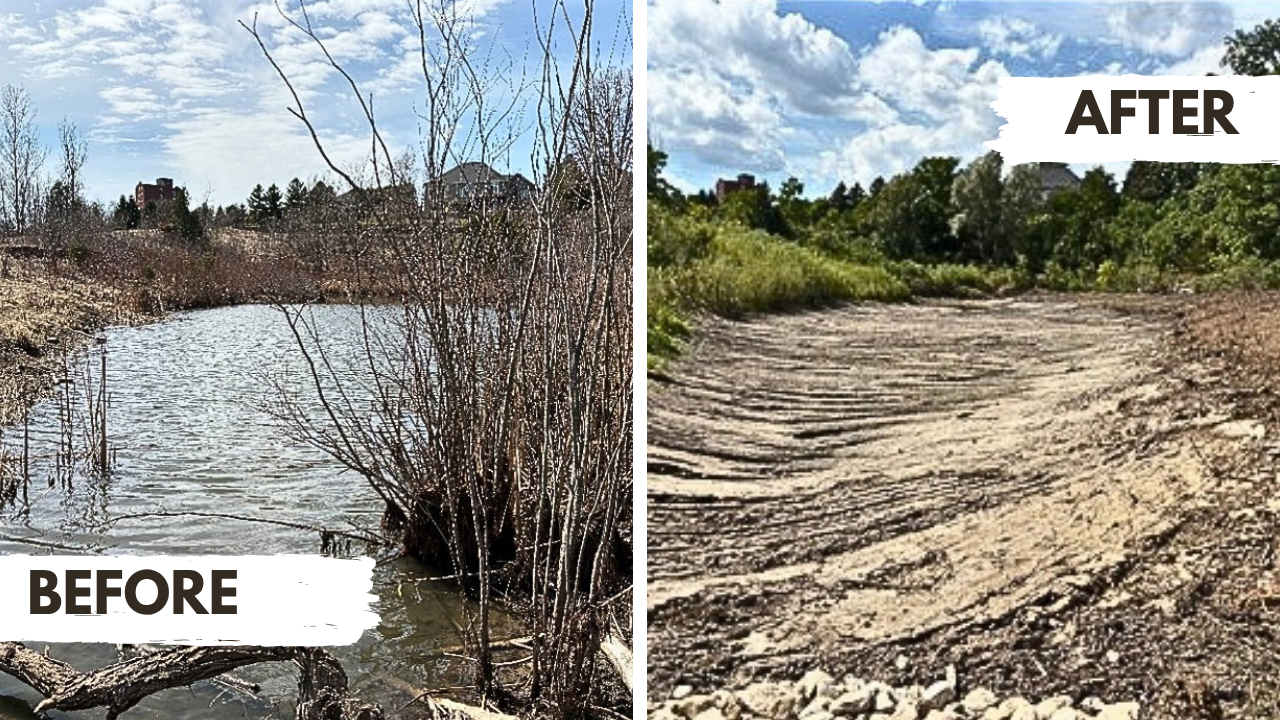
    Over time, sediment, debris and vegetation had built up in Telferwood Pond. This buildup can reduce the amount of rainwater a pond can hold and affect how well water moves through the system.

    What did we do?

    Crews removed accumulated sediment and overgrown vegetation and repaired the pond's water outlets. This restored the pond closer to its original engineered design and capacity.

    Why does it matter?

    A properly maintained stormwater pond can hold more rainwater during heavy storms, helping reduce the risk of water backing up onto nearby streets and properties.

    The pond also helps protect water quality by capturing sediment, oils, fertilizers, road debris and other materials carried by stormwater before the water continues downstream toward local waterways, including the Grand River.

    Maintaining infrastructure before significant problems develop can also help reduce the need for more costly emergency repairs.

    See the difference?


    Black Walnut West Pond, St. George

    Keeping water moving

    What was happening?

    Vegetation and debris had built up around the Black Walnut West Pond and its outlet. The outlet plays an important role in controlling how water leaves the pond.

    If an outlet becomes restricted, water may not move through the system as intended during heavy rainfall.

    What did we do?

    Crews repaired the stormwater outlet and completed vegetation maintenance around the pond to help keep the system functioning properly.

    Why does it matter?

    Keeping the outlet clear allows stormwater to move through the pond at the intended rate. This helps reduce the risk of water backing up onto surrounding roads, yards and properties.

    Managing the flow of water also helps limit erosion around the pond and downstream.

    Vegetation around stormwater ponds can help filter dirt, road salt and other materials carried by runoff. Maintaining this vegetation helps the pond continue to support water quality while keeping critical infrastructure accessible and working properly.

    See the difference?


    Grandville Phase 1 Pond, Paris

    Maintaining the infrastructure you may not notice

    What was happening?

    Overgrowth around the Grandville Phase 1 Pond was affecting access to the pond's outlet structure.

    Although a stormwater pond may look natural, its outlet is engineered infrastructure. It controls how water leaves the pond and helps manage water levels during and after rainfall.

    What did we do?

    Crews repaired the outlet structure and removed excessive vegetation and overgrowth around it.

    Why does it matter?

    A functioning outlet allows water to leave the pond at a safe, controlled rate.

    Removing vegetation and debris that could restrict the outlet helps prevent water from backing up during heavy rainfall and reduces the risk of localized flooding on nearby streets, lawns and properties.

    Stormwater ponds also capture dirt, debris and runoff from surrounding neighbourhoods. Managing excessive or invasive vegetation can help maintain the pond's function while allowing beneficial vegetation to continue supporting water quality.

    See the work

Page last updated: 04 Sep 2026, 01:50 PM