

10,000+ years
Did you know the lands that make up Brant have a rich Indigenous history and have been home to people for more than 10,000 years?
Understanding this history is an important part of developing the County of Brant’s first Archaeological Management Plan (AMP).
For thousands of years, Indigenous peoples have lived, travelled, traded, and cared for the lands we now call Brant. Before European contact:
- 10,000-7,500 BC First Peoples in the Region: This period is the earliest known evidence of people living in southern Ontario dates. Small groups of Indigenous peoples moved throughout the region, relying on communal hunting and gathering.
- 7,500-6,000 BC Growing Communities: As the climate warmed and resource-rich forests grew, Indigenous peoples developed new technologies, including stone and copper tools. Populations grew, and trade networks connected communities.
- 900 BC - 600 AD Innovation and Trade: This period saw the introduction of pottery, which improved food storage and preparation. Hunting, fishing, and gathering remained the main sources of food, while communities grew larger and trade became more widespread. During this period, the first evidence of corn cultivation appeared in southern Ontario, particularly along the Grand River.
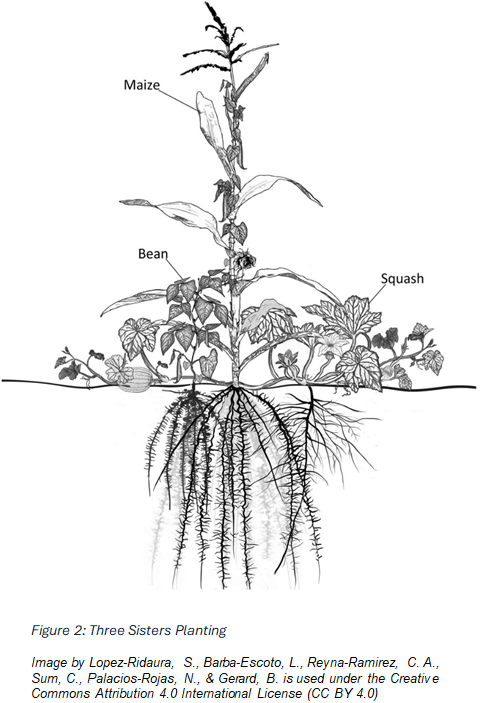
- 900 – 1,600 AD Farming and Village Life: Agriculture became central to daily life, with maize, beans, and squash, known as the "Three Sisters," supporting larger and more permanent villages. Major villages developed throughout southern Ontario, including the Lower Grand River Cluster near present-day Brant County. By the late 1500s, expanding fur trade networks brought increasing contact with Europeans.
The story of the County of Brant did not begin 200 years ago. Indigenous peoples continue to live here, maintain deep relationships to the land, and contribute to the community today. As the County develops the Archaeological Management Plan, it is helping put its Land Acknowledgement into practice by recognizing and protecting long-standing Indigenous cultural heritage in the past, present and future.
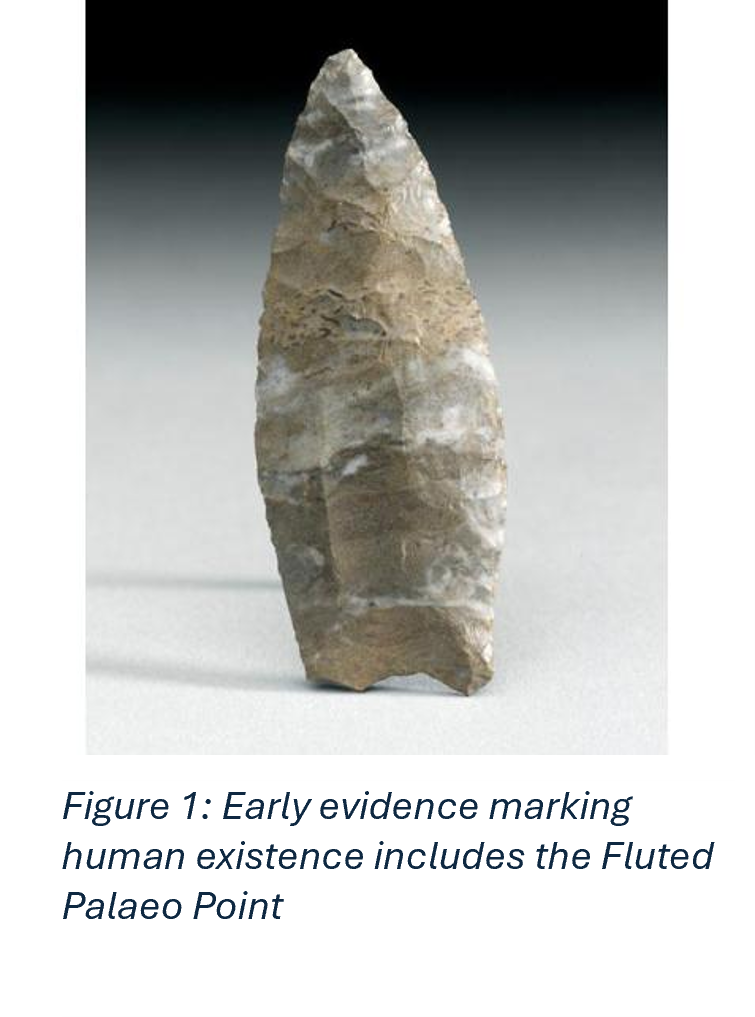 Image by the Royal Ontario Museum
|
 |
Thank you for your contribution!
Help us reach out to more people in the community
Share this with family and friends